Five easy hacks to do in 2026 to keep your finances in order

Simple ways to empower yourself and take control of your money
Image: supplied
Now that the New Year has arrived, most of us have had some time out to recharge and gain perspective about our lives, habits or behaviours – which hopefully then turn into making positive changes. This could, for instance, include things like our health, relationships, work, or personal finances.
Finances for instance are put under huge strain during the Festive Season and New Year period, and several of us run into debt, using credit for gifts, food for the family who came to visit and getting ready to go back to school. It is indeed financial crunch time which leaves many of us with much too little in our account to make it until payday and much more debt.

Debt Rescue: Make smart money moves
Image: supplied
Neil Roets, CEO of Debt Rescue shares five quick tips to managing your money better in 2026:
1. Set up a debit order through your bank to pay yourself every month. Even if it’s R20, it will get you into the habit of saving. Increase it to e.g. R500 and boom, there’s R6000 saved in a year – all you needed to do was set up the debit order, create a savings pocket with your current bank account e.g. TymeBank offers up to 10 GoalSave ‘accounts’ into which you can pay, or open a new one. Easy. Roets advises that consumers who struggle to save consistently should start small, the habit matters more than the amount, and even tiny savings build financial confidence over time.
2. Keep your receipts: This is another simple way to help you gain insight into your financial habits and behaviours. Instead of throwing away that slip from the grocery store, make monthly envelopes or folders marked for that month i.e. Jan 2026, and put ALL your receipts in there. Even the one for that ice-cream or cooldrink.
At month-end, either in a book or preferably an excel document online, tally ALL the slips – you will be surprised by what you buy. Reality bites. Knowing where your money is going empowers you and gives you insight into your spending, allowing you to adjust it and save some Rands.
3. Check your bank statements every month
This is very important yet too few of us do it. Going through your bank statement to understand what money came in and what went out is critical. While receipts give you a picture of what you spend, your bank statements tell the truth. Look at your bank charges, are there any dodgy payments that happened but that you did not make. If so, contact your bank immediately as this could be a phishing scam or fraud. Roets says he often sees consumers discover quite a few additional Rands in unnecessary debit orders. Spotting these early can prevent a small issue from becoming a major financial setback.
Also, check if there are any strange debit orders going off each month; it could easily be a free subscription that you signed up for but forgot to unsubscribe. In so doing you’re paying a monthly fee for something that you are not using.
4. Do a 2026 annual budget
This cannot be over-emphasised enough. Creating a monthly budget that includes all your must-have monthly expenses like rent, transport and food, together with the tally of all of those little amounts that go off your bank account without you noticing and the total cost spent according to your receipts, gives you a truthful, accurate picture about your financial habits and health.
Seeing is believing. Once you have a clear read of all your expenses – include that 10 cent bank charge – you put yourself in a position of power, enabling you to act. Cut the extra Coke, cancel any old subscriptions and pay less bank fees by comparing brands e.g. Standard Bank and ABSA. Once you know the real state of your financial affairs, you’ll be able to take back control.
5. Know what the interest rate is and if it changes as well as the fuel price.
The interest or repo rate is evaluated every two months by the Reserve Bank of South Africa (SARB). It is currently 6,75%, but subject to change if inflation is too high. The interest rate applies to all forms or credit: credit cards, store cards, loans, bonds, the car, etc. If the SARB increases this economic indicator by 0,25%, then all credit – unsecured or secured – will increase, and cost you more.
The cost of fuel is another critical number to watch. Whether petrol, Diesel or paraffin, the fuel price changes every month and is announced on the first Wednesday of the month. Know what you’re paying at the pumps and price it into your budget accordingly.
The above five tips are simple to enact but require discipline. Once you get into the habit though, and keep tabs on all of your month, you will have a much more financially controlled 2026, and beyond. Not to mention peace of mind.
As Neil Roets often reminds consumers, small consistent actions, not just big gestures, are what ultimately transform your financial wellbeing over the long term.
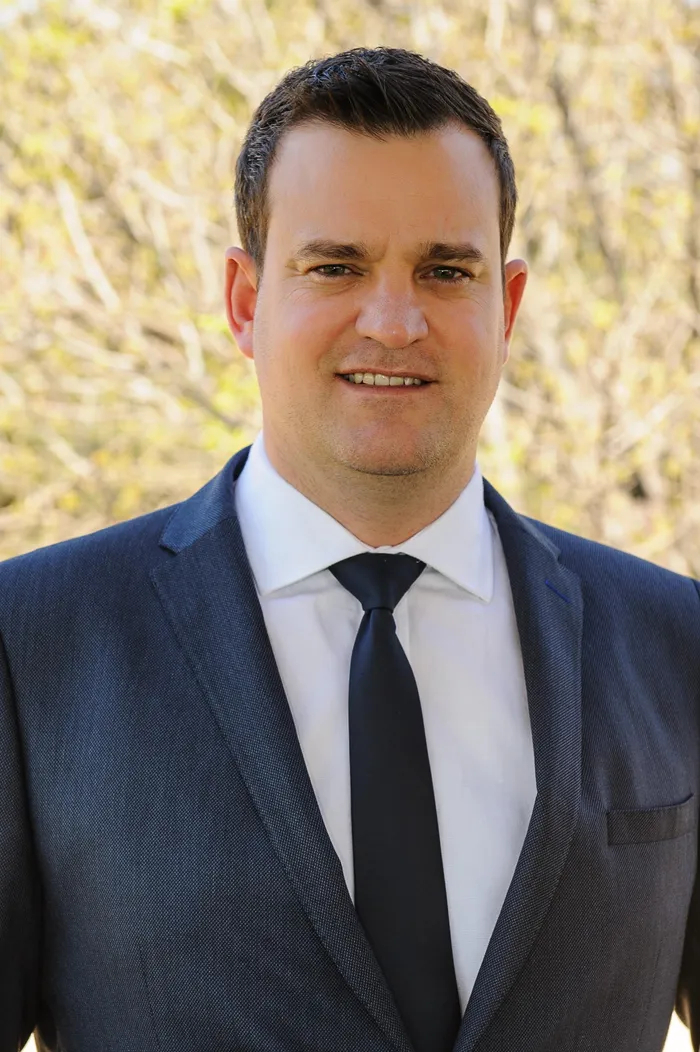
Neil Roets, CEO of Debt Rescue
Image: supplied