Stay safe: Rip tide warnings for beachgoers this weekend
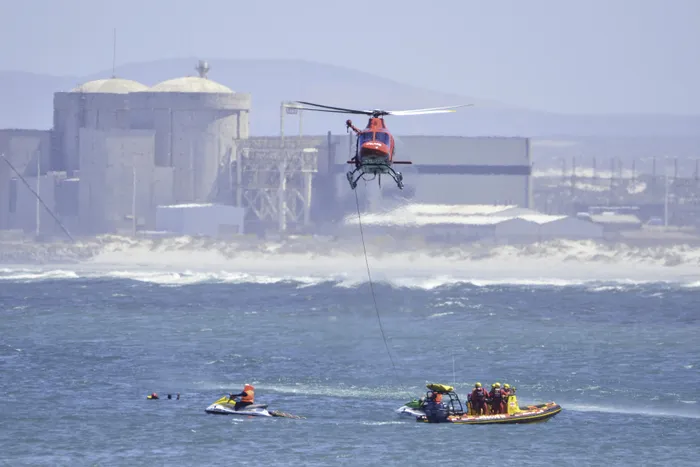
The National Sea Rescue Institute (NSRI) is urging all beachgoers, anglers, and coastal hikers to exercise extreme caution this weekend and into early next week due to the full moon spring tide.
Image: Supplied
The National Sea Rescue Institute (NSRI) is urging all beachgoers, anglers, and coastal hikers to exercise extreme caution this weekend and into early next week due to the full moon spring tide.
Peaking on Monday, January 5, this natural phenomenon will bring stronger-than-average rip currents and higher high tides to local beaches.
A full moon spring tide occurs when the sun, moon, and earth align during the full moon phase, amplifying the gravitational pull on the earth’s oceans, according to the NSRI.
NSRI spokesperson Andrew Ingram said the spring tide effect was already being felt and would persist for several days.
"We are appealing to the public to be aware of the increased risks. The stronger tidal pull can catch even experienced swimmers and anglers off guard," he said.
What this means: For swimmers, rip currents will be significantly stronger. Only swim at beaches patrolled by lifeguards and stay strictly between the red and yellow flags.
For anglers, higher tides mean waves will break further up the shoreline. Exercise extreme caution on rocks and be wary of rogue waves.
For hikers, coastal trails may become inaccessible during high tide, particularly in the afternoons. Plan your route carefully and check tide tables.
For boaters and paddlers, ensure you have all the necessary safety equipment, wear life jackets at all times, and use the free NSRI SafeTRX smartphone app to log your trip.
The NSRI emphasises the importance of vigilance, especially during the outgoing tide in the late afternoon when rip currents are often at their most dangerous. Parents are urged to keep a close eye on children near the water.
For further updates and emergency assistance, visit the website at NSRI.
In the event of an emergency, contact the NSRI on 087 094 9774.